
February 20, 2026
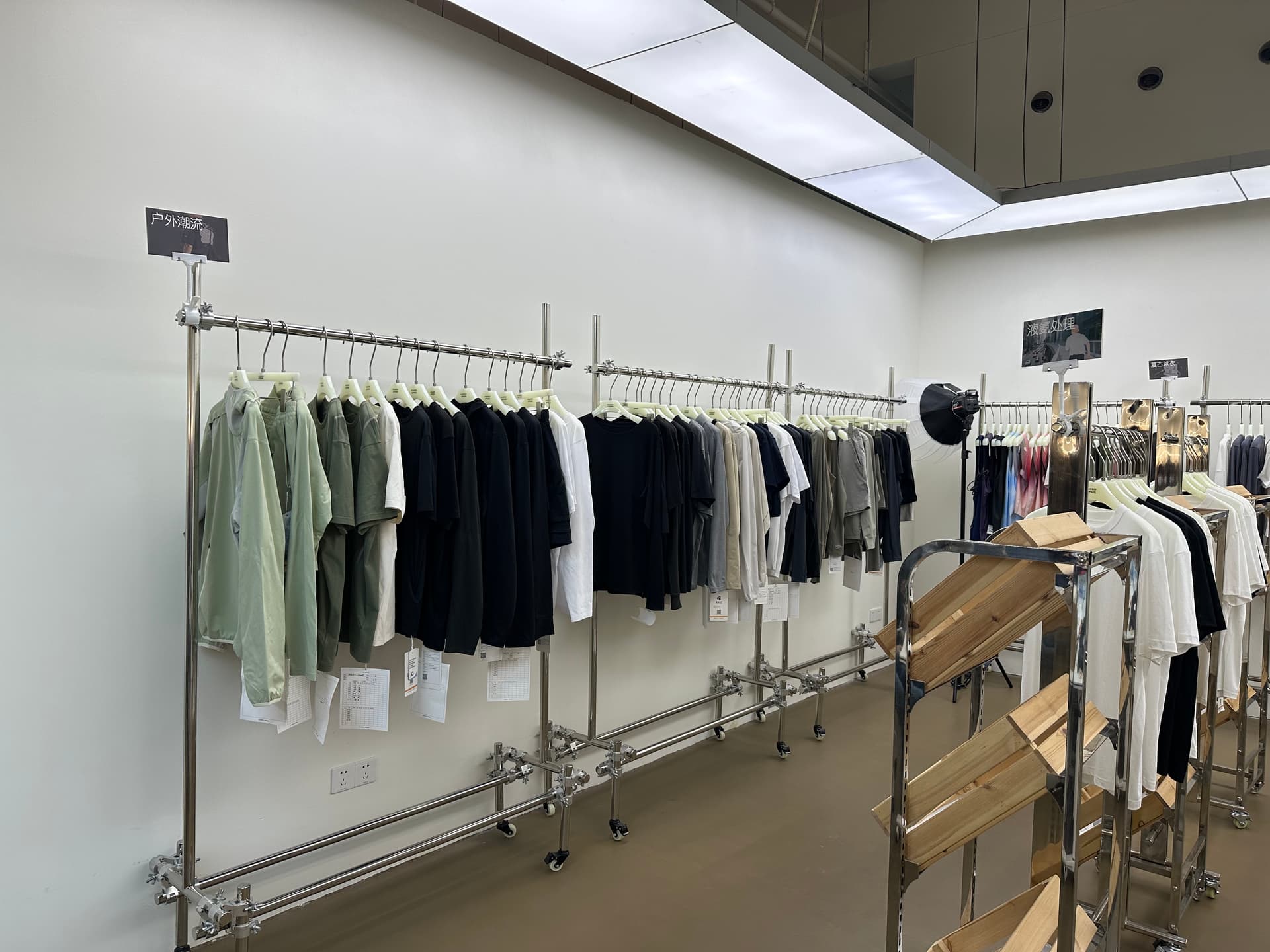
Why China Remains the Top Apparel Sourcing Destination
Despite supply chain diversification trends, China continues to dominate global apparel manufacturing thanks to its mature infrastructure, skilled workforce, and end-to-end production capabilities. For wholesale buyers and brand owners, understanding how to navigate the Chinese manufacturing ecosystem is essential.
Finding the Right Manufacturer
Start by defining your product requirements clearly: fabric type, weight, construction details, sizing, and target price point. Look for manufacturers who specialize in your product category rather than general-purpose factories. Specialized manufacturers like Coyzefashion, which focuses on knit apparel (hoodies, T-shirts, athleisure), deliver better quality and faster turnaround than factories that try to do everything.
Understanding MOQ
Minimum Order Quantity (MOQ) is often the biggest barrier for new brands. Many factories require 500–1,000 pieces per style. However, some suppliers offer flexible MOQs as low as 50 pieces — ideal for testing new designs or entering new markets without significant inventory risk.
Quality Control Best Practices
Always request pre-production samples before placing a bulk order. Inspect fabric quality, stitching, color accuracy, and sizing. For large orders, consider hiring a third-party inspection service for a pre-shipment inspection (PSI) that checks a random sample of finished goods against your specifications.
Shipping & Logistics
For orders under 200kg, air freight or express courier (DHL/FedEx) is typically most cost-effective. For larger orders, sea freight offers significant savings but requires 25–35 days transit time to North America and Europe. Always factor in customs duties and import taxes when calculating your landed cost.